


The Growing Trend of Flat Roofs in Modern Residential Architecture
The attic space within pitched roofs was historically used for storage and ventilation and, more recently, converted into valuable living space. Because of these beneficial functions, along with excellent drainage, durability, and the creation of additional internal volume, pitched roofs became the go-to design for houses across the UK, especially in wetter climates and in traditional residential architecture.
However, in recent years there has been a noticeable shift, particularly in modern housing developments and within contemporary residential architecture, toward the growing trend of flat roofs. This article explores the factors behind this movement, comparing the design principles, material requirements, and construction processes of flat roofs with those of traditional pitched roofs, highlighting their roles in modern home design, contemporary home building, and evolving roofing systems.
Aesthetics and Modern Architectural Trends
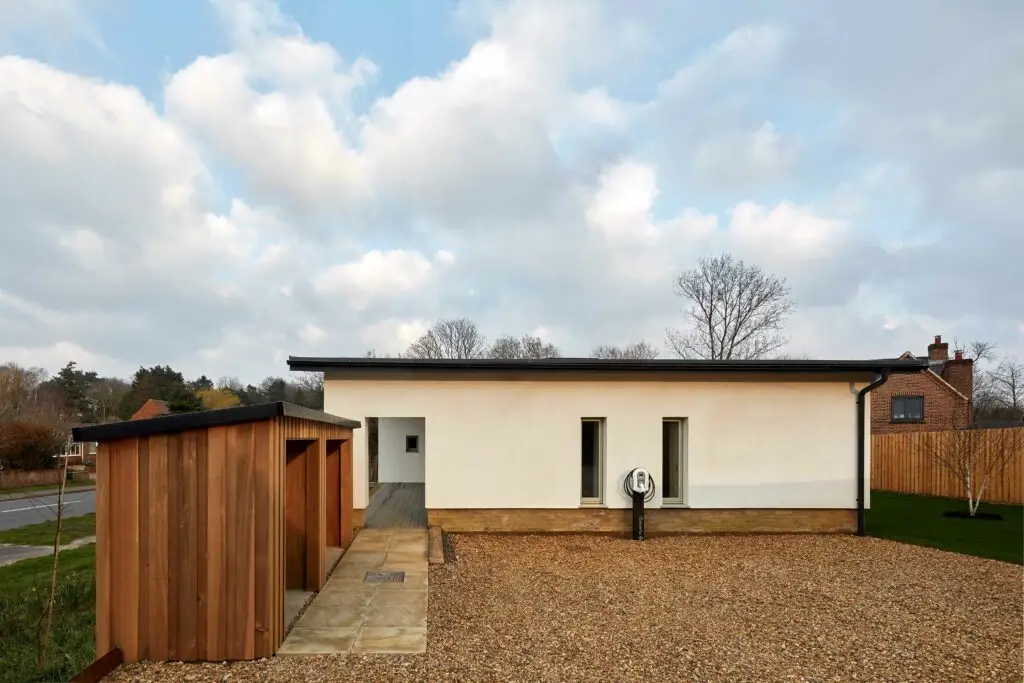
Much of the shift toward flat roofs can be attributed to modern aesthetics and contemporary design preferences. Flat roofs offer a sleek, minimalist appearance and provide the clean-lined look that has become synonymous with modern architectural styles and current architectural trends.
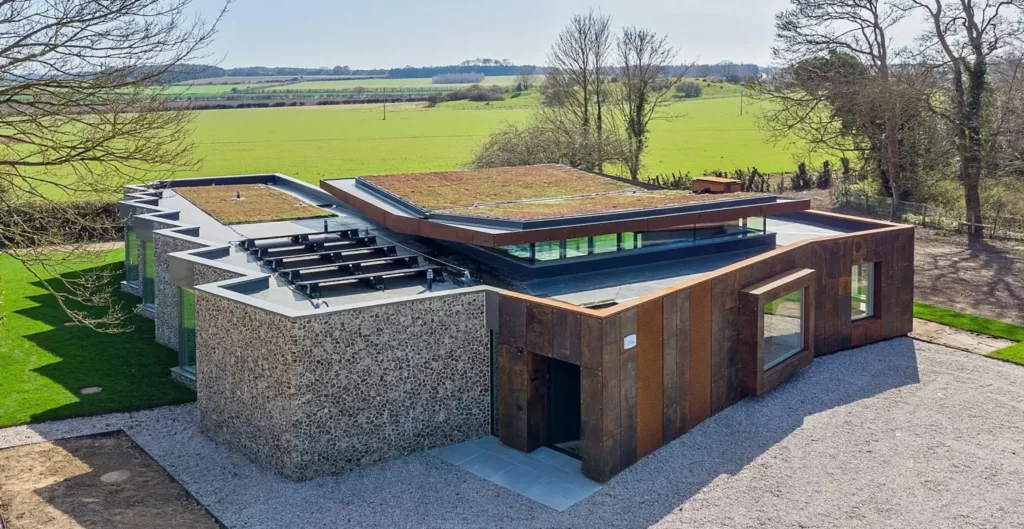
Beyond aesthetics, flat roofs offer functional advantages. They can be used as rooftop terraces, gardens, balconies, or outfitted with energy-saving solar panels and HVAC equipment, creating versatile outdoor living spaces. This type of urban living design and space optimisation is far more difficult to achieve with pitched roofs.
Architects, designers, and the wider design-and-build community are increasingly embracing flat roofs. For them, a flat roof becomes an asset, an opportunity to extend living space or enhance sustainability, instead of simply functioning as a protective covering.
Ease of Maintenance and Access
From a builder’s perspective, flat roofs can be simpler and more cost-efficient to construct and maintain. They often require fewer materials, simpler framing, reduced waste, and allow for safer and easier access for routine inspections. These efficiencies can translate into lower initial material and labour costs, especially in new residential construction or modern home builds.
However, flat roofs also come with necessary cautions, particularly in wetter or more unpredictable climates. They present greater drainage challenges and therefore require carefully engineered systems, including internal drains, scuppers, slight gradients, and robust waterproof membranes. Without this attention to detail, issues such as water pooling, leaks, and structural deterioration can occur.
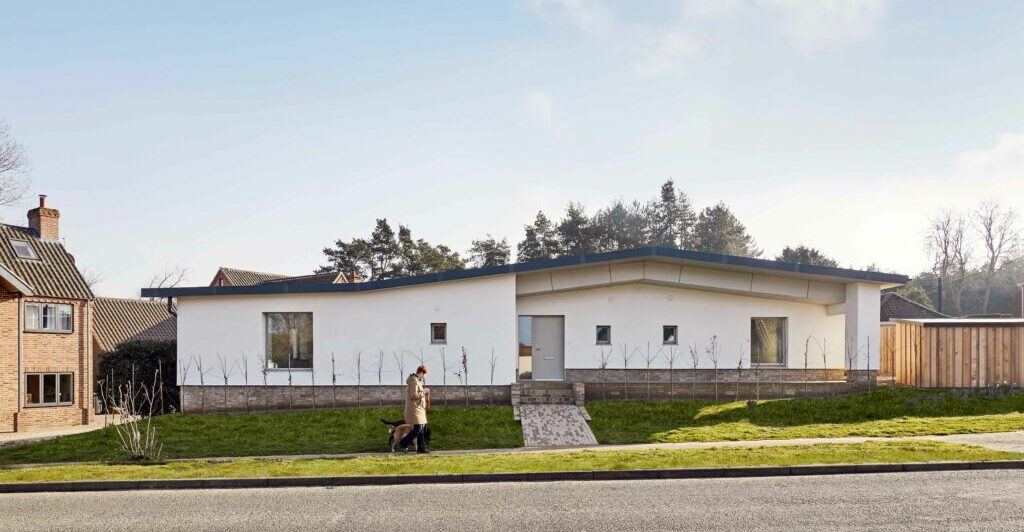
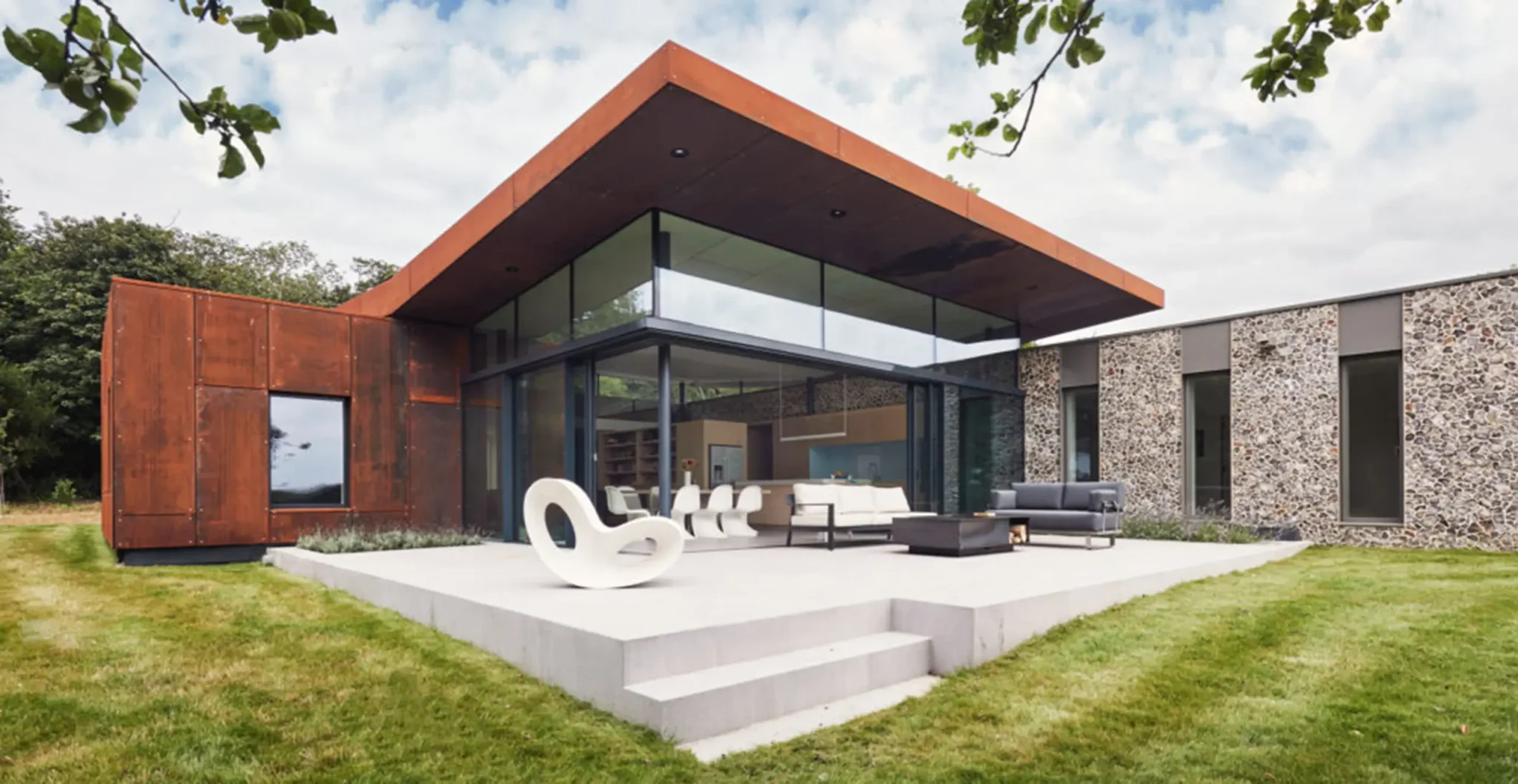
Grocott & Murfit have extensive experience working with flat roof construction and lead a specialist team that ensures every project is executed with exceptional care, precision, and efficiency. Coast House in North Norfolk is an excellent example of distinctive modern architecture featuring a striking gullwing roof form.
While architects and builders increasingly appreciate the advantages of flat roofs, the decision between flat and pitched roofing ultimately involves balancing aesthetics and usable space with climate resilience and long-term durability.
Materials and Roofing Systems
Pitched roofs typically rely on traditional roofing materials such as slate, clay tile, metal panels, or shingles—materials well suited to sloped designs and known for their durability and long lifespan.
Flat roofs, on the other hand, depend on membrane-based roofing systems specifically engineered for waterproofing, performance, and resilience. Common choices include bitumen, EPDM rubber, PVC, and TPO systems. Within residential and commercial flat roofing, two widely used high-performance systems are:
- Bauder roofing systems, known for their robust insulation packages, expertly engineered warm-roof solutions, and high-quality bituminous and single-ply membranes suitable for both new builds and refurbishments.
- Sarnafil roofing systems (Sika Sarnafil), renowned for their premium PVC single-ply membranes, exceptional durability, and proven track record in delivering watertight, long-life flat roofs—particularly in architecturally ambitious projects.
These systems offer excellent waterproofing and are designed to endure limited standing water, though good design always incorporates a subtle fall for drainage.
Flat roofs also require specialised insulation, vapour control layers, and drainage strategies, all essential to long-term performance—especially in climates subject to frequent rainfall.
Construction and Structural Differences
Pitched roofs naturally shed water, so their structure is designed around that slope, using rafters or trusses, along with features such as eaves, overhangs, and guttering. This approach complemented traditional building practices and regional craftsmanship.
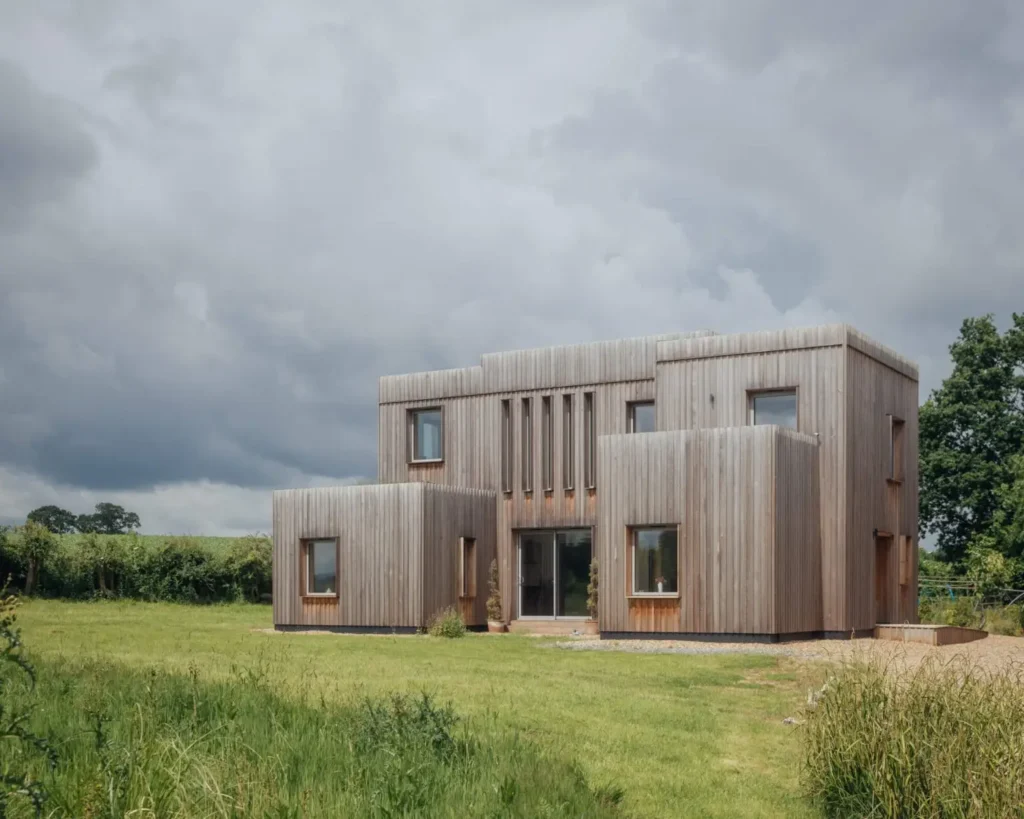
Flat roofs, on the other hand, require more careful structural consideration. The roof deck must be solid, properly insulated, and fully watertight. Load-bearing elements, such as beams, must support the waterproofing system and drainage components. The design must also account for different load distributions, particularly when the roof is intended for additional functions such as a living area, green roof, or placement of heavy equipment.
These differences between flat roof construction and pitched roof design highlight the importance of selecting an experienced builder familiar with modern roofing solutions and contemporary building practices.
Conclusion
The rise of flat roofs reflects an evolution in both architecture and building practices. No longer associated solely with industrial or commercial structures, flat roofs are now a defining feature of many modern homes. Their growing popularity aligns with shifts toward minimalist aesthetics, sustainability, and multifunctional living spaces.
However, the move toward flat roofs also demands careful attention to design, engineering, and ongoing maintenance. Structural loads, drainage, insulation, and future extension possibilities must all be thoughtfully considered.
For today’s homeowners and builders, the choice between a flat and pitched roof is less about selecting a universally superior option and more about identifying the best fit for their specific needs. Space, architectural style, climate, budget, and long-term maintenance expectations all shape the final decision.
If you’re considering a builder for your bespoke home or renovation, whether you prefer a pitched or flat roof, Grocott & Murfit bring over 15 years of experience crafting high-quality, distinctive, and architecturally ambitious homes. Contact us today.


