

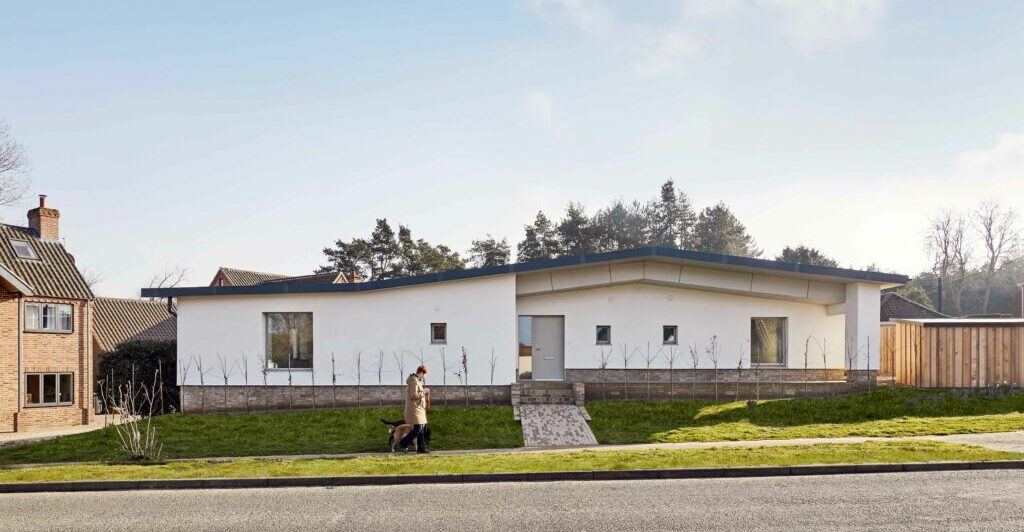

How to Build a High-End Home with a Low Carbon Footprint
Sustainability is no longer a compromise in luxury residential construction, it’s a defining feature. Today’s luxury homeowners want beautifully designed, high-performance homes that reflect both exceptional craftsmanship and environmental responsibility. At the same time, luxury builders are increasingly adopting sustainable building methods to meet rising expectations for energy efficiency, comfort, and long-term value. This article explores how to build a sustainable luxury home with a low carbon footprint, without sacrificing quality, aesthetics, or performance.

Sustainable Luxury Homes: Redefining High-End Living
The concept of luxury residential buildings has evolved. Modern high-end homes are no longer defined solely by size or opulence, but by intelligent design, energy efficiency, and sustainable construction methods. A sustainable luxury home prioritises comfort, wellness, and reduced environmental impact while maintaining the highest standards of design and finish.
By integrating low-carbon technologies and sustainable materials from the outset, as a bespoke luxury builder, we can create future-proof homes that appeal to environmentally conscious clients and align with rising energy costs and tightening building regulations.

Using Natural and Low-Carbon Building Materials
One of the most effective ways to reduce the carbon footprint of a high-end home is through the use of natural and sustainable materials. These materials often have lower embodied carbon and provide superior performance and longevity.
Popular choices in sustainable luxury residential construction include:
- Timber structures and finishes
- Natural stone with minimal processing
- Lime-based plasters and renders
- High-performance natural insulation materials, including wood fibre and sheep’s wool
- Reclaimed bricks
Natural materials not only reduce environmental impact but also enhance indoor air quality and create a warm, timeless aesthetic that complements luxury architecture.

Sourcing Materials from Local Suppliers
- Greater control over quality
- Reduced lead times
- Access to unique, locally sourced materials
- Improved sustainability credentials
Clients increasingly value transparency in where materials come from, making local sourcing an important part of building an energy-efficient, sustainable home. At Grocott and Murfit, we often work with local stone, using our expert stone masonry team, and also use reclaimed Norfolk bricks to maintain the aesthetics of the build.
Solar Panels: Clean Energy for High-End Homes
Solar panels have become a defining feature of sustainable luxury residential buildings. When carefully integrated into the architectural design, they deliver renewable energy without detracting from the overall aesthetic of the home. Advances in technology mean today’s solar panels are far more subtle and visually refined than earlier generations. Sleek, low-profile designs, particularly modern all-black panels, blend seamlessly into rooflines, eliminating the contrasting frames and bright backing of older systems. The result is a clean, minimalist finish that complements high-end architecture while supporting energy-efficient, low-carbon living.
Benefits of solar energy in luxury homes include:
- Reduced reliance on grid electricity
- Lower long-term energy costs
- Improved EPC ratings
- Increased property value
Combined with battery storage, solar panels allow homeowners to maximise self-generated energy and move closer to net-zero living.
Intelligent Heating and Ventilation for Energy-Efficient Luxury Living
Mechanical Ventilation with Heat Recovery (MVHR) systems and Air Source Heat Pumps (ASHPs) work together to form the backbone of a low-carbon, energy-efficient luxury home. MVHR systems provide a constant supply of fresh air while recovering heat that would otherwise be lost, ensuring excellent indoor air quality and consistent comfort in airtight buildings. ASHPs deliver highly efficient, low-carbon heating and hot water by extracting heat from the outside air, making them an ideal partner for underfloor heating and well-insulated homes. Together, these advanced technologies significantly reduce energy demand, lower carbon emissions, and support sustainable, high-performance living without compromising luxury.
Premium Insulation and Triple Glazing
Insulation is one of the most important elements of sustainable construction. High-end insulation materials ensure minimal heat loss and maximum thermal performance.
Luxury builders increasingly specify:
- High-performance wall, roof, and floor insulation
- Natural or low-carbon insulation products
- Triple-glazed windows with thermally broken frames
- Triple glazing not only improves thermal efficiency but also enhances acoustic performance and comfort, which is an essential feature in premium residential properties.

Why Sustainability Matters to Luxury Builders and Clients
Sustainable construction is no longer just a trend; it is a long-term investment. Builders benefit from future-proofing their projects and enhancing their reputation as forward-thinking luxury specialists. Clients benefit from lower energy bills, healthier living environments, and homes that align with their values.
By combining sustainable building methods with exceptional craftsmanship, luxury residential builders can deliver homes that are elegant, energy efficient, and environmentally responsible.
Building the Future of Luxury Living
A high-end home with a low carbon footprint is not only achievable, it is fast becoming the gold standard in luxury residential construction. Through the use of natural materials, local suppliers, renewable energy systems, and advanced energy-efficient technologies, sustainable luxury homes offer the perfect balance of performance, comfort, and design.
For both builders and clients, sustainability is the future of luxury living.
Acknowledgements
We’re grateful to the architects whose designs are showcased here:
PassivHaus, Parslow and Whitely Architects
Coast House, North Norfolk, Hudson Architects
Paragraph 55, Studio Bark
Images are shared with their kind permission.


