

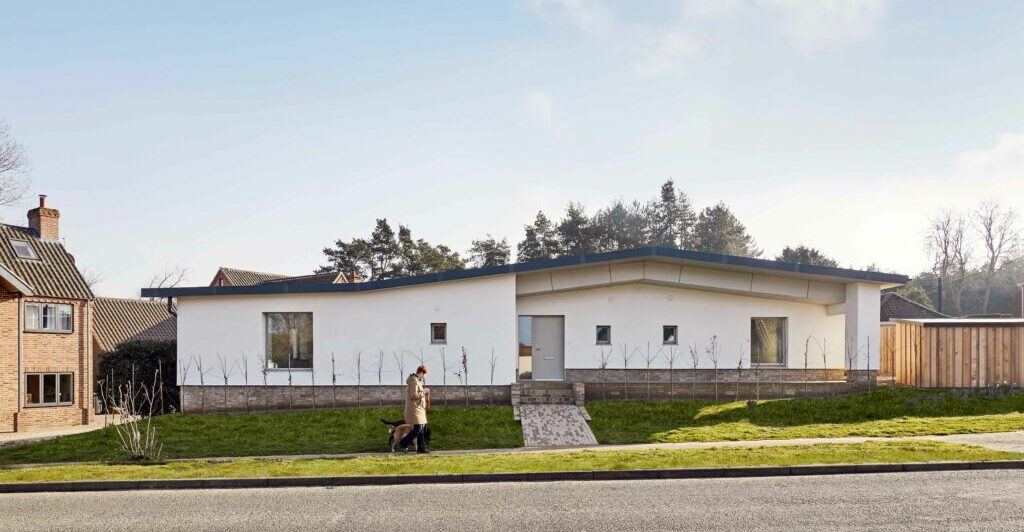

Preserving Traditional Craftsmanship and Heritage in Building Practices
With modern construction moving so quickly, traditional building methods offer a sense of stability and authenticity. From knapped flint walls to chalk stone construction, these time-honoured techniques carry not only aesthetic value but cultural and historical significance. Preserving them is about more than nostalgia, it’s about maintaining craftsmanship, and a connection to a place.
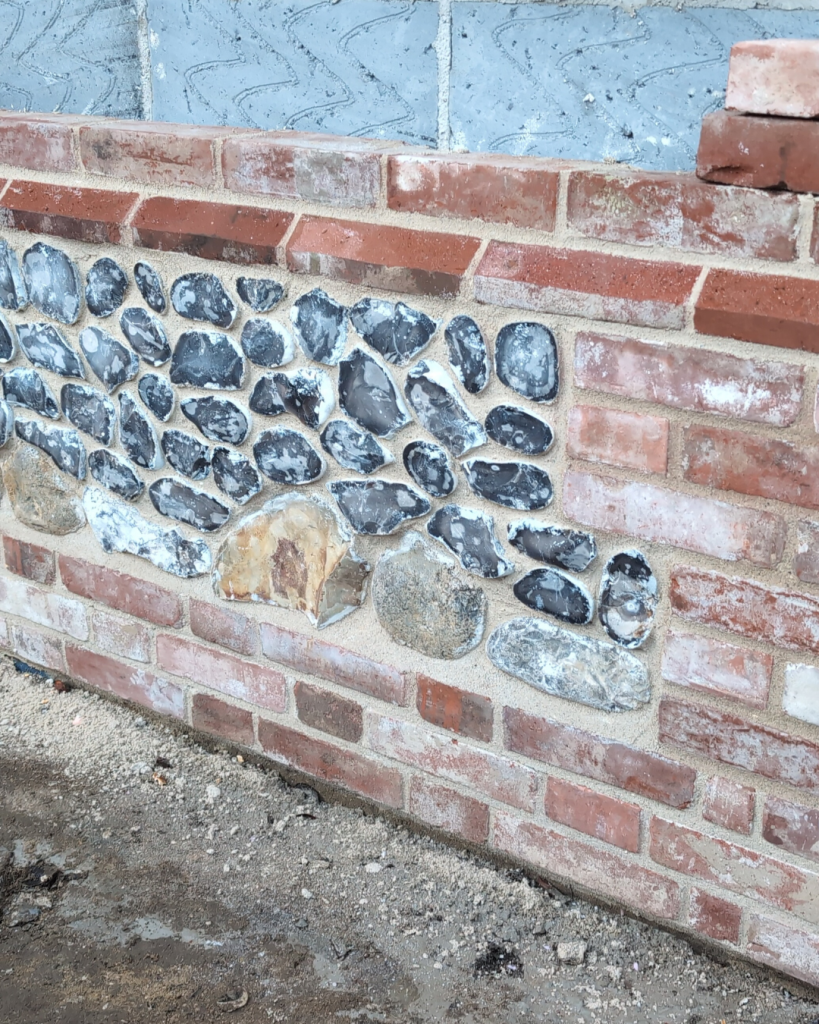
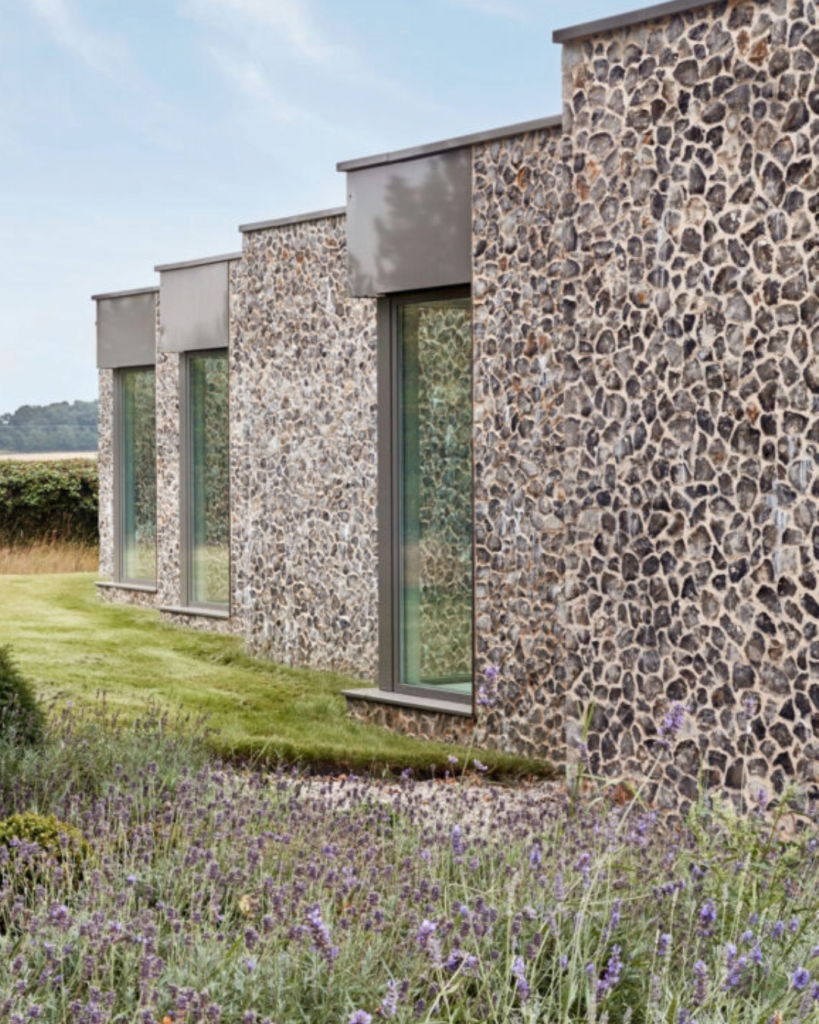
One striking example of traditional craftsmanship is knapped flint. Each piece of flint is carefully struck by hand to reveal its smooth, glass-like inner face. This process is far from mechanical; it requires precision, patience, and years of experience to master. The result is a visually stunning surface that reflects light beautifully and creates a distinctive texture impossible to replicate with modern substitutes. Similarly, chalk stone walls, common in regions like Norfolk, offer a soft, natural appearance that blends seamlessly with the surrounding landscape. These materials are not just chosen for their beauty, but for their deep-rooted connection to local geology and building traditions.
Cob building is another notable technique that showcases the potential of natural materials. Made from clay, sand, straw, and water, cob walls are built by hand in layers and left to dry naturally, producing structures that are strong, thermally efficient, and uniquely textured. Like flint and chalk, cob reflects the skill and patience of artisans and connects modern buildings with a long history of sustainable, earth-based construction. Its organic appearance and energy-efficient qualities make it increasingly popular in bespoke homes and sensitive restoration projects.


Why Traditional Materials Matter
Traditional materials such as flint, chalk, lime mortar, and locally quarried stone are integral to preserving the character of an area. Buildings constructed with these materials feel authentic because they are rooted in the same resources and methods used for centuries.
This is particularly important in regions with strong architectural identities. Using modern, out-of-place materials can disrupt the visual harmony of a village or coastal setting. By contrast, traditional methods ensure that new builds and renovations remain in keeping with their surroundings, respecting both history and community identity.
Beyond aesthetics, traditional materials often perform exceptionally well in their native environments. Breathable lime mortars, for instance, allow moisture to evaporate naturally, helping to protect buildings from damp issues, something many modern materials struggle to achieve.
A Growing Demand in Luxury Homes
Interestingly, traditional building techniques are not confined to heritage restorations. They are increasingly sought after in high-end, bespoke homes. Clients building luxury properties are drawn to the craftsmanship and uniqueness these methods offer.
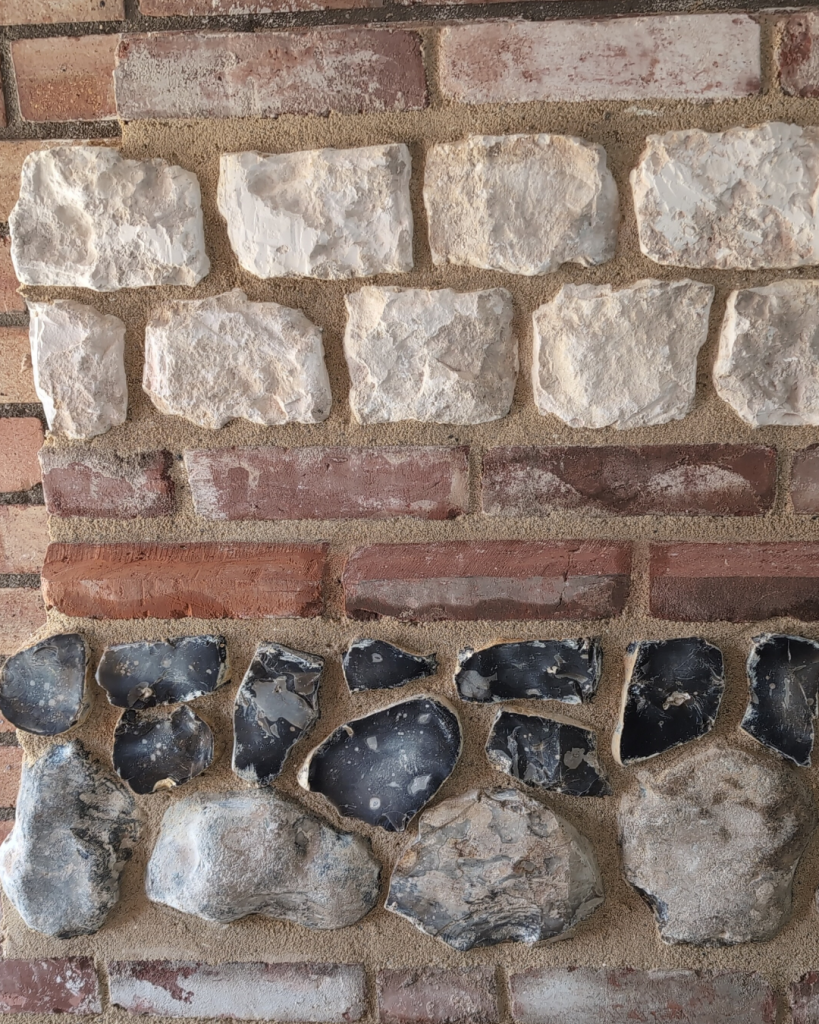
A knapped flint wall, for example, can transform a modern architectural design into something timeless and striking. Combining flint with stone or brick creates contrast and texture, elevating the overall aesthetic. These features illustrate skill, tradition, and attention to detail.
For many homeowners, investing in traditional craftsmanship is about creating a home that stands apart from mass-produced construction.
Keeping Skills Alive
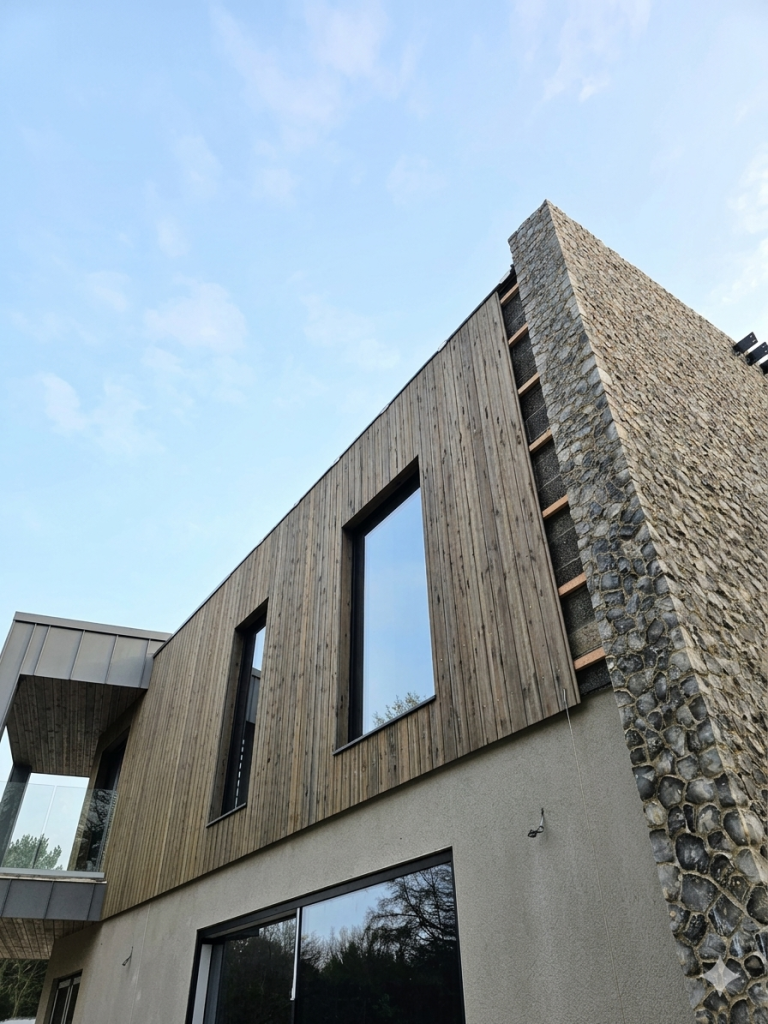
One of the greatest challenges facing traditional building practices is the risk of them fading away. These skills are often passed down through generations, learned through hands-on experience rather than textbooks. Without continued demand, fewer craftspeople have the opportunity to develop and refine these techniques.
This is why it is so important for construction companies and clients alike to actively choose traditional methods where possible. By doing so, they help sustain a living craft, ensuring that future generations can continue to benefit from these skills.
A Commitment to Craftsmanship
At Grocott and Murfit, we’re committed to preserving these traditions. Working extensively on coastal projects, we understand the importance of using local materials to create buildings that sit naturally within their environment.
Whether constructing large knapped flint walls or combining stone and flint in bespoke designs, we ensure that every project reflects both quality and authenticity. We invest in skilled craftspeople who possess the expertise required to carry out these specialised techniques.
By maintaining a team capable of delivering traditional methods to the highest standard, we not only meet the expectations of discerning clients but also play a vital role in keeping these crafts alive.
Looking Ahead
Mechanical Ventilation with Heat Recovery (MVHR) systems and Air Source Heat Pumps (ASHPs) work together to form the backbone of a low-carbon, energy-efficient luxury home. MVHR systems provide a constant supply of fresh air while recovering heat that would otherwise be lost, ensuring excellent indoor air quality and consistent comfort in airtight buildings. ASHPs deliver highly efficient, low-carbon heating and hot water by extracting heat from the outside air, making them an ideal partner for underfloor heating and well-insulated homes. Together, these advanced technologies significantly reduce energy demand, lower carbon emissions, and support sustainable, high-performance living without compromising luxury.
Acknowledgements
We’re grateful to the architects whose designs are showcased here:
Coast House, North Norfolk, Hudson Architects
Images are shared with their kind permission.


